Dignity
The way support is given matters as much as the support itself. People are never reduced to cases or numbers.
 Foundation
The GAP Fund
A reliable amount of money, even if it is modest, can give someone the time and space to find their footing.
The GAP Foundation has been set up to serve people facing circumstances where timely financial support can make a difference.
It is built on a simple belief: people understand their own needs and support can be offered with trust and gently.
Understand the ideaWe begin by setting up a GAP fund in memory of Guruswamy Ananthapadmanabhan (Ananth).
Why the GAP Fund exists
One difficult event can change the course of a life. The death of a family member can leave a household without an income. A health emergency can consume years of savings. A young person leaving institutional care may have no family to fall back on. An elderly or homeless person may live without even a small and dependable source of support.
In such moments the missing piece is often quite simple: a reliable amount of money and enough time to recover, complete an education or rebuild some stability.
Ananth believed that one of the most powerful things we can offer another person in a vulnerable phase is trust and dignity. He believed that people generally know what they need and that even a modest amount of unconditional support can change the choices available to them.
He practised this belief quietly throughout his life. He helped people he encountered as well as communities and organisations whose work he trusted. He did not wait for a formal programme or a perfect system before giving. The GAP Foundation strives to carry that practice forward with the same intent. It exists to do something immediate, even if it is limited, yet with care.
Four commitments guide every part of this work:
The way support is given matters as much as the support itself. People are never reduced to cases or numbers.
Conditions should serve the person receiving support rather than the comfort of the institution providing it.
The distance between those contributing and those receiving support is kept as short as responsible stewardship permits.
The fund remains honest about the scale of what it can do and focuses on doing that work carefully.
Who we support
The GAP Foundation will initially support people in three broad circumstances.
Young people leaving institutional care often begin adulthood without the financial and emotional safety net that families usually provide. Other students may reach a critical point in their education when a small financial gap is all that needs to be filled towards genuine independence . Support for such young people may continue for up to two years, as needed. The purpose is to help them transition to jobs and professions, on their own terms and with ease.
A death, serious illness or accident can destabilise a family that was previously managing on its own. Monthly income support for a defined period can help meet essential expenses while the individual or family rebuilds a livelihood or gains access to longer-term assistance. For many families one year of support can provide a meaningful bridge through the crisis.
People without stable housing may have no dependable income or support network. This includes elderly people as well as migrant workers and others who have been displaced. Support may continue for one to three years depending on the person’s circumstances.
What we do and how it works
₹2,500–₹4,000
per person each month · roughly ₹30,000 to ₹50,000 over a year
While the support is offered for a defined period based on the person’s situation, we will aim to arrive at a few simple offerings to reduce burden for the people we intend to reach.
We realise it will be partial and only additional to other kinds of support that the person or the family would need. It can help someone meet essential expenses, remain in education, recover from a sudden loss or create enough stability to consider what comes next.
01
In most cases the GAP Foundation works with organisations that already know the people and communities. These organisations help identify individuals whose circumstances fit the purpose of the fund. They remain in contact during the support period and where appropriate help the individual think through what may sustain them once the support ends.
The fund intends to begin with two or three partner organisations and build a wider network carefully over time. The organisations we have approached have assured us to provide their support on a voluntary basis. They include MAKAAM (Mahila Kisan Adhikaar Manch, whose affiliates include organisations working with women farmers from farm suicide families) and Railway Children India.
Over time, we may also be able to support people who could be approached through direct community relationships. We understand that the absence of a partner organisation should not by itself prevent any person from receiving support. In such cases the fund will maintain a direct relationship and follow a simple check-in process.
02
The fund considers whether the person falls within one of the three broad groups and whether equivalent assistance is already available through family, government entitlements or another source. It also considers whether steady financial support over a defined period is likely to make a material difference.
People are identified through trusted organisations and community contact. The fund will follow a simple onboarding process to include anyone in vulnerable situations.
03
The support is not tied to behavioural targets or reporting requirements created for the fund’s convenience. Contact with the person will remain useful and respectful. The fund will also help people seek government entitlements for which they are eligible rather than using private support as a substitute for those entitlements.
The fund provides cash.
Where this work began
Sometimes it reached one person through a difficult year. At other times it helped a family or community create space for a different future. These stories are glimpses of that practice and the work the GAP Foundation hopes to carry forward.
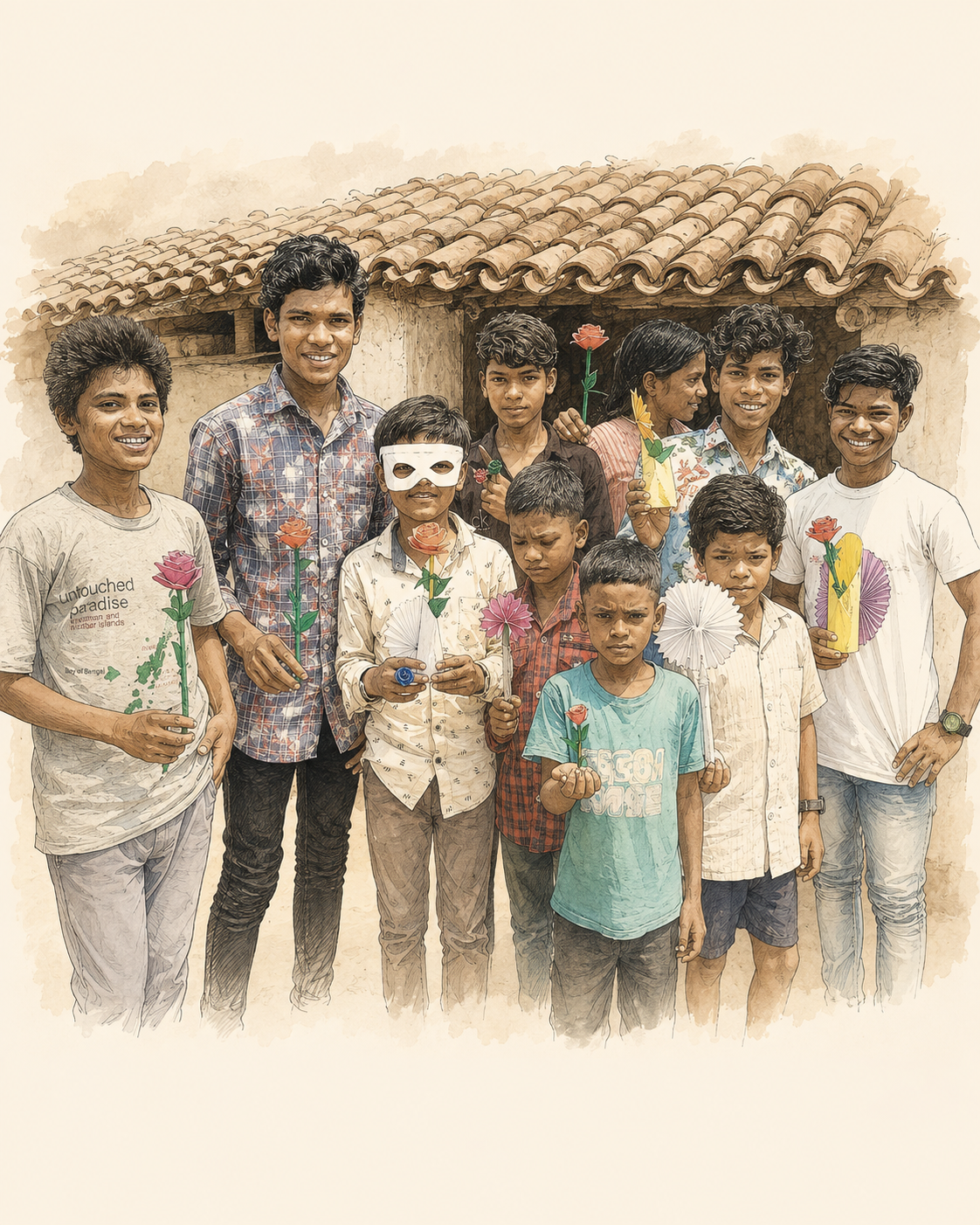
Sahodaya
Sahodaya is a community of around 35 people including 30 children that explores nature-based learning, sustainable farming and local livelihoods.
Ananth’s support helped the community provide better living conditions for its children, use local and organic food, practise nature-oriented farming and organise programmes on local seeds and ecological knowledge. He also helped Sahodaya’s children undertake an 83-day educational journey across organisations working on sustainable living and livelihoods.
Ananth never visited Sahodaya or met its team. He did not prescribe activities or ask for anything in return. He trusted the people doing the work and gave them the freedom to use the support where it mattered most.
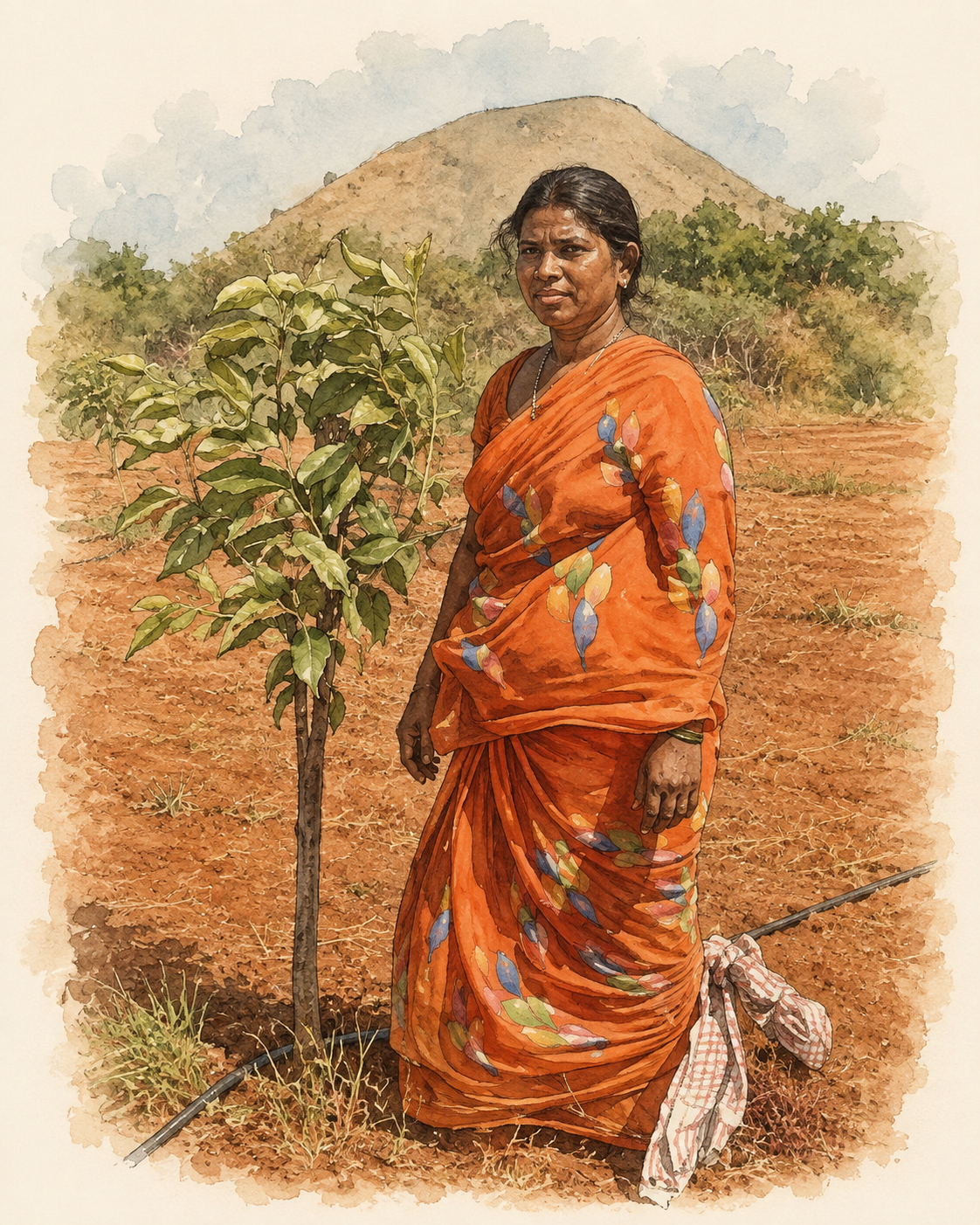
Lakshmidevi
Lakshmidevi’s husband Nagabhushana died by suicide in 2018 after accumulating severe agricultural debt. Their two children were still in school and Lakshmidevi had no immediate income. Local custom prevented her from working for six months while her government widow pension had yet to begin.
REDS identified the family and Ananth provided ₹1,000 every month for nine months so Lakshmidevi could meet basic needs while REDS helped her pursue government support and keep her children in school.
She later received the farmer suicide ex gratia and rebuilt her livelihood through sweet lime cultivation and intercropping on her two-acre farm. Today she supports her family through agriculture and participates actively in the Single Women Federation.
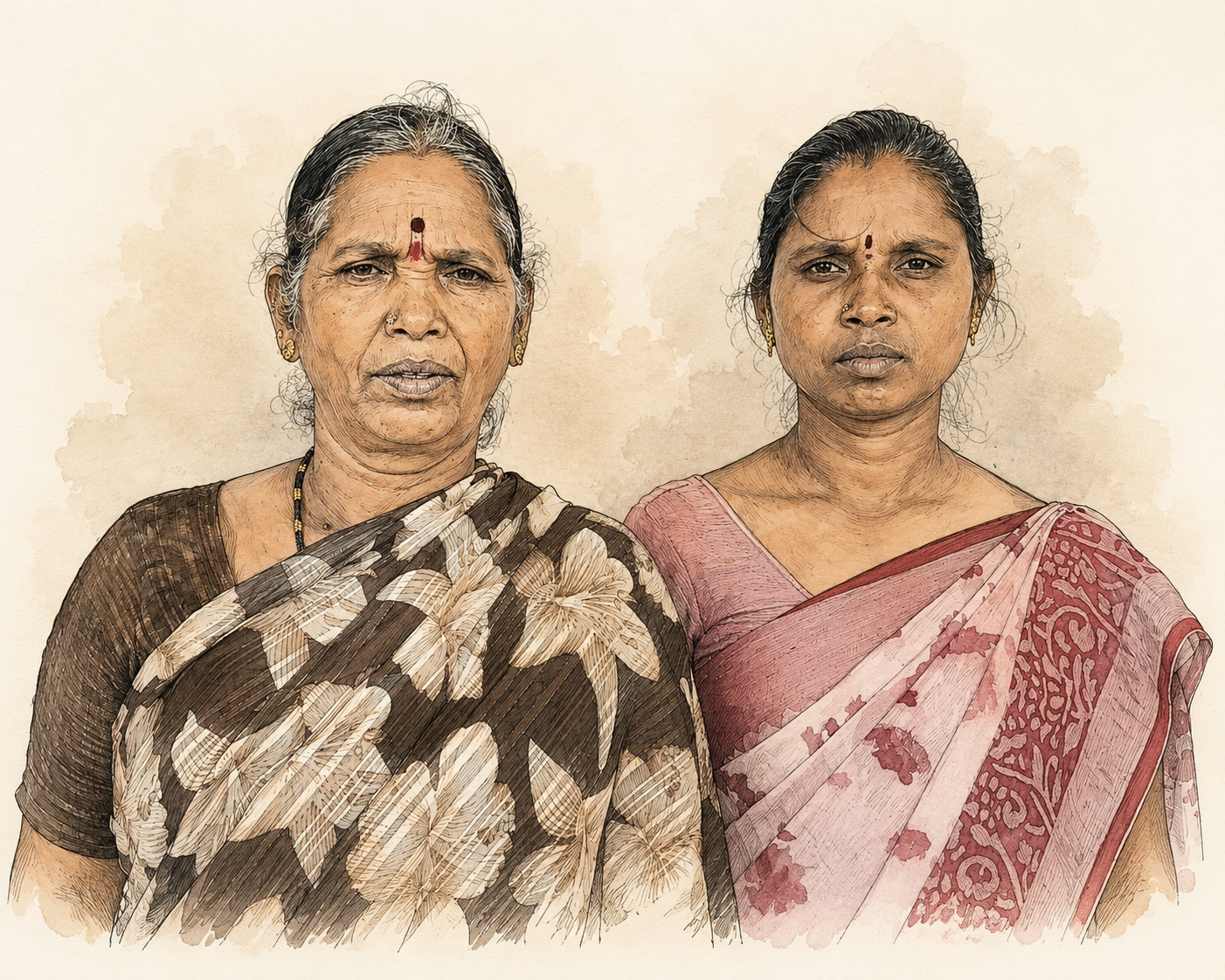
Nagamani and Rajeshwari
Nagamani lost her hearing after an accident during childhood and later left school. Her marriage ended after her husband’s family learned of her hearing loss. She returned to her parents and began working as an agricultural labourer.
The family then faced two further crises. Nagamani’s brother sustained a spinal injury and became bedridden. The shock affected her father’s health and left him paralysed. Her mother Rajeshwari became responsible for supporting the entire household.
Ananth supported the family financially for a year. The assistance gave Rajeshwari some breathing room while she carried the responsibility of earning and caring for three family members.
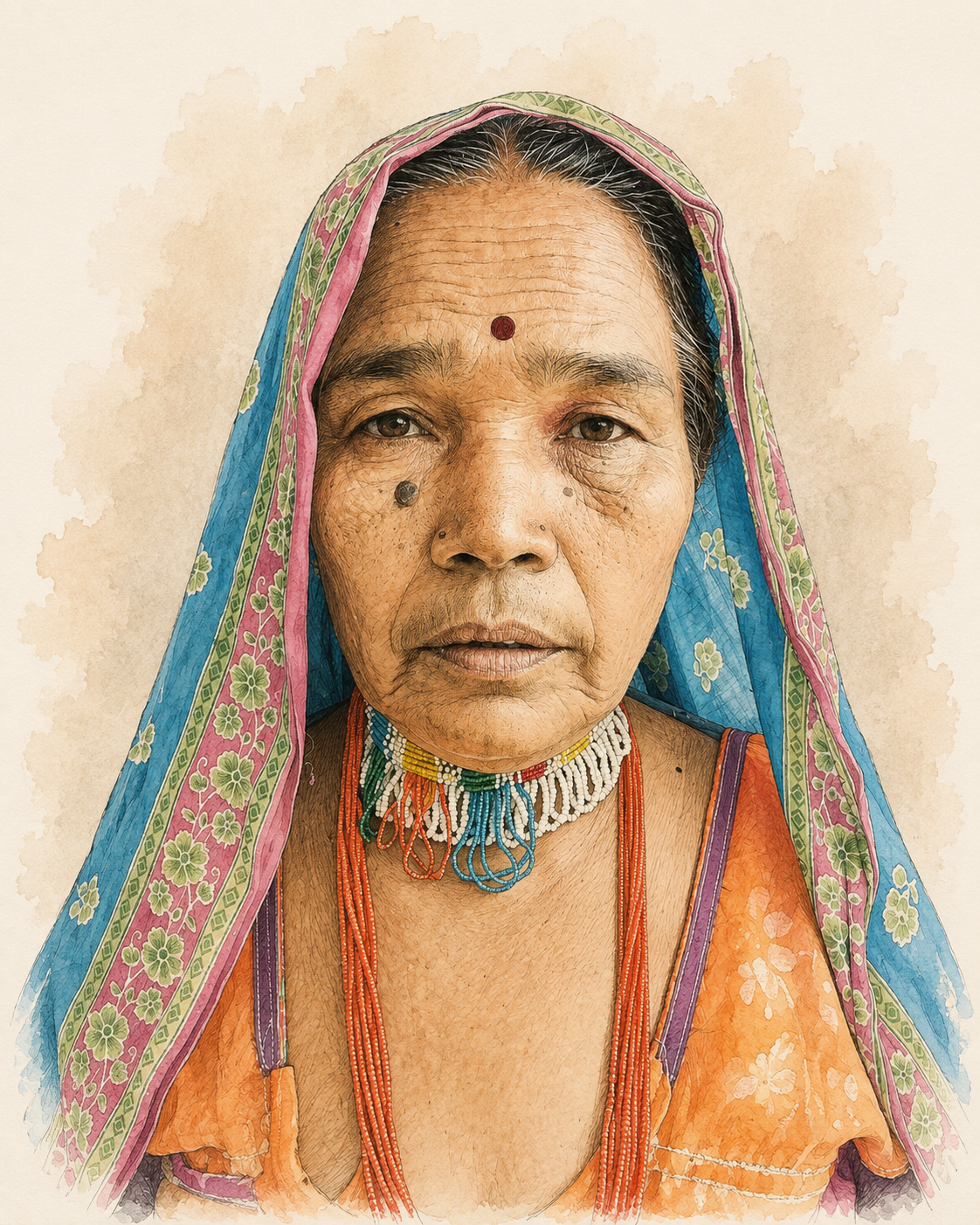
Chandini
Chandini lives in a village in Telangana’s Mahabubnagar district. She was married very young and is raising five children. After her husband suffered a serious fall at a construction site one of his hands was permanently disabled and he could no longer continue working as a security guard.
With no regular household income Chandini began stitching mirrors onto dresses and blouses. She went from house to house in search of work while continuing to care for her family.
Ananth and Kavitha met Chandini during a visit to Hyderabad and began providing monthly financial support. The steady assistance helped the family meet essential expenses while Chandini continued to earn through her craft.
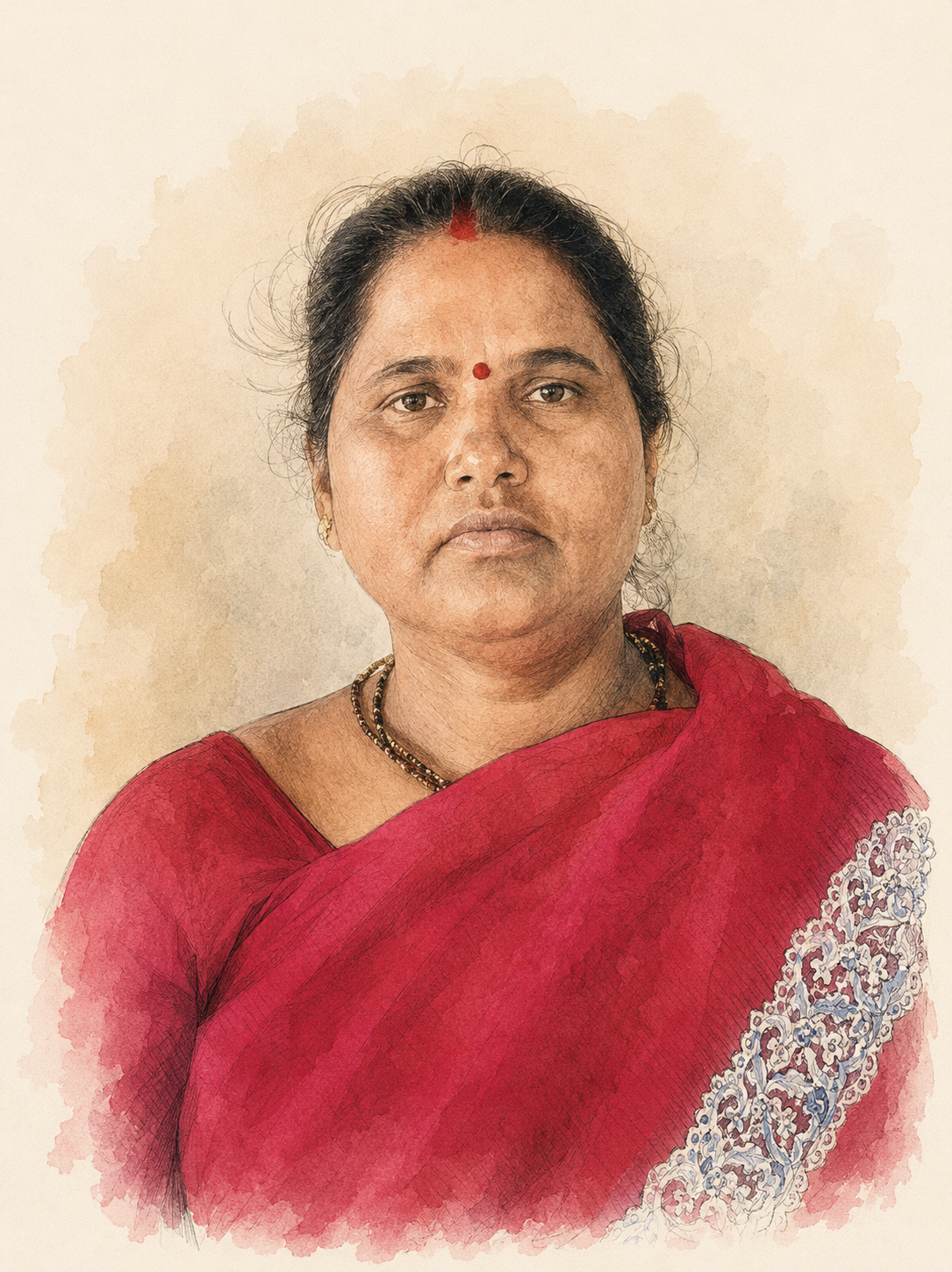
Ramadevi
Ramadevi experienced child marriage, dowry harassment and trafficking while she was still very young. After escaping she sought justice with sustained support from REDS. The people responsible were eventually convicted following a long legal process.
Ramadevi went on to become a community leader. She now helps women facing domestic violence, child marriage and trafficking reach counselling and other forms of support. Her work and courage were recognised with the Naveena Mahila Award.
Through REDS Ananth contributed financial support toward her livelihood. That assistance formed one part of a much longer journey in which Ramadevi rebuilt her confidence and began standing beside other vulnerable women in her community.
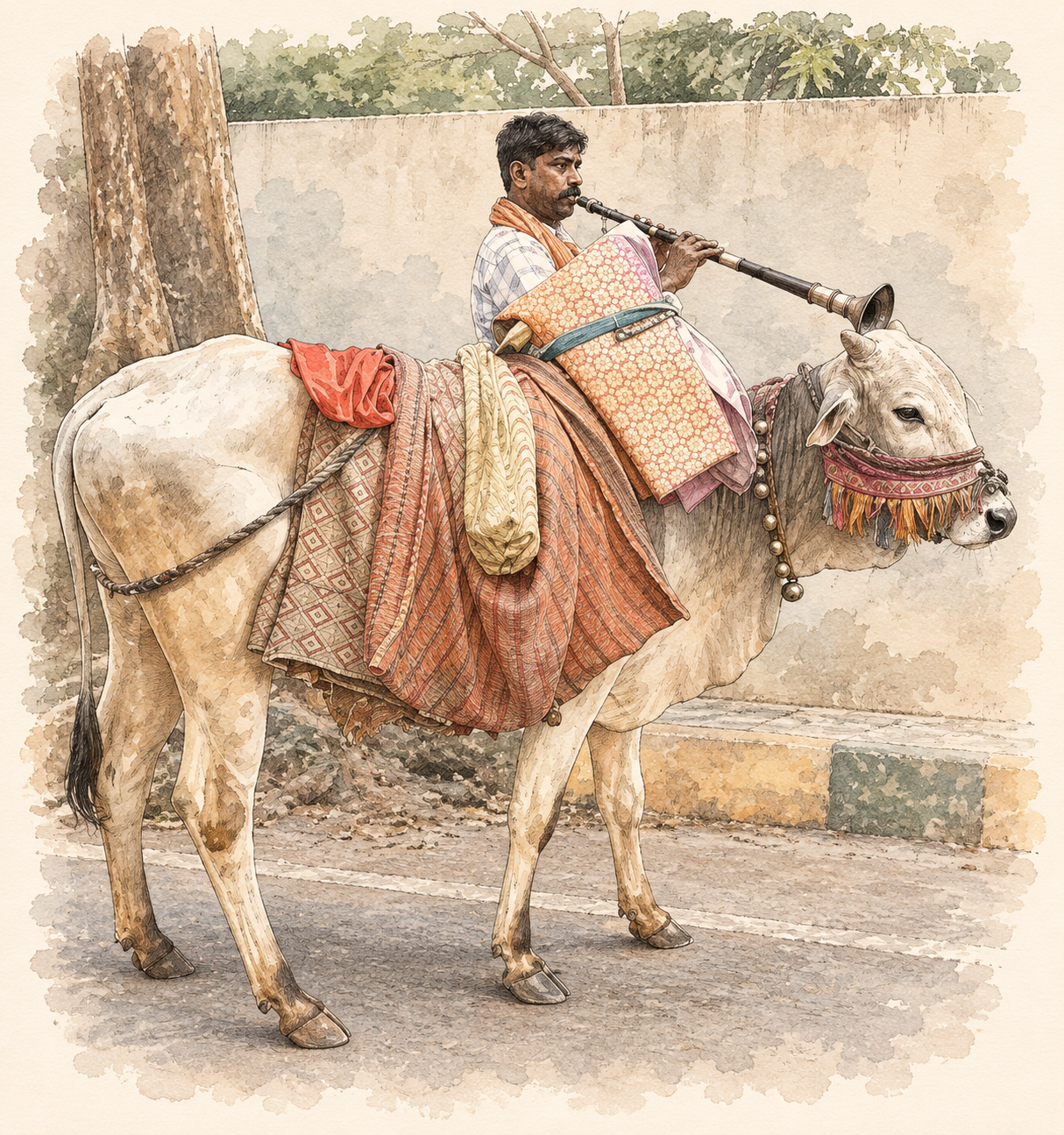
Venkatesh
Venkatesh is a nadaswaram (sonnayi) player from Andhra Pradesh’s Prakasam district who moved to Bengaluru in search of a better livelihood. He supports his family of four children through the traditional Gangireddu practice, taking a decorated bull into neighbourhoods to play the nadaswaram and earn an income. On the remaining days, he cares for his three animals by grazing them and collecting fodder.
Ananth met Venkatesh while walking through Defence Colony in Bengaluru. Moved by his commitment to sustaining both his family and a fading cultural tradition, he began providing monthly financial support. The assistance offered Venkatesh a measure of stability as he continued his livelihood with dignity.
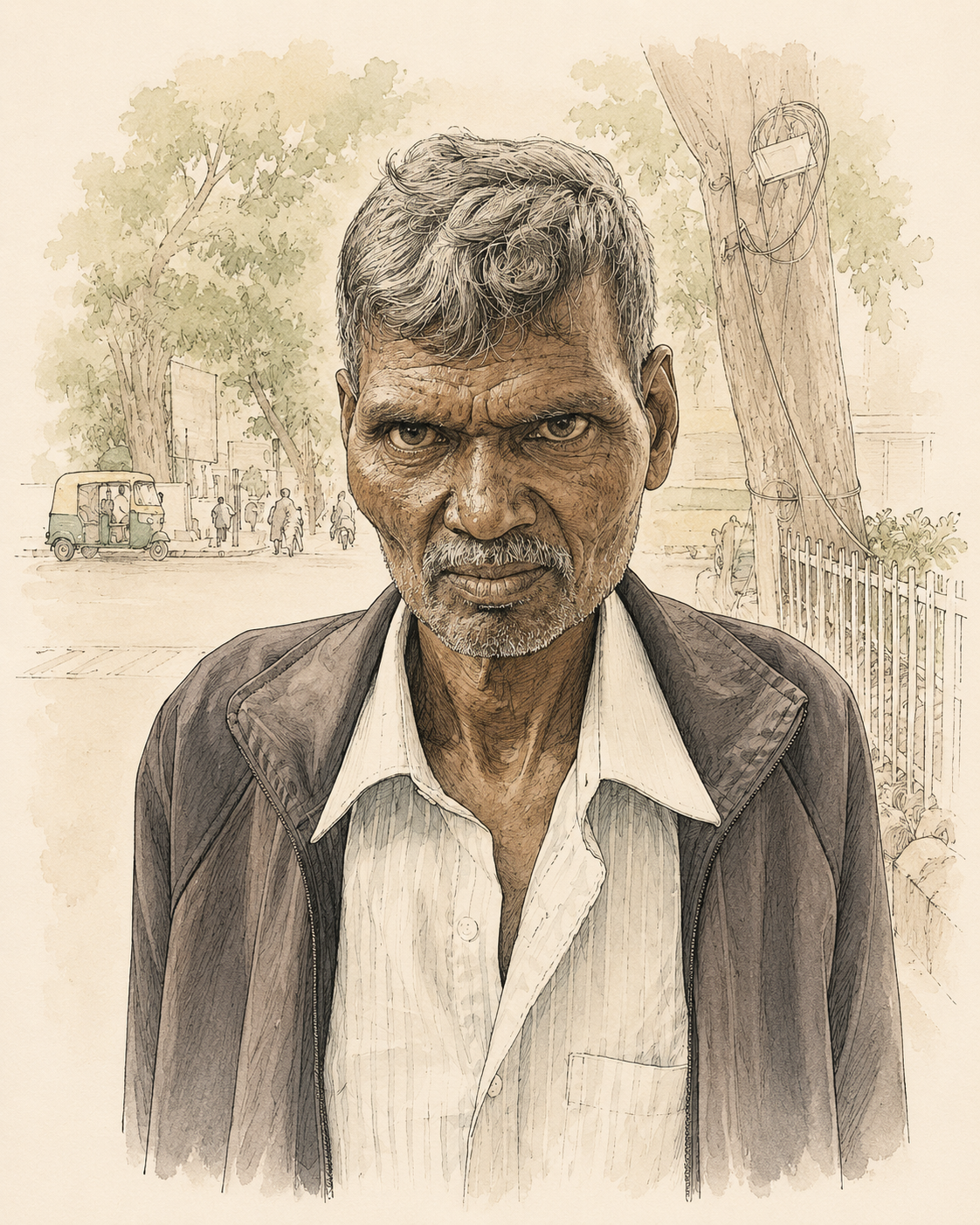
Sekar
Sekar lives on the streets near Indiranagar and CMH Road in Bengaluru. Originally from Tiruchirappalli in Tamil Nadu, he says he no longer has family to rely on. He earns a modest income by carrying out small bicycle repairs for people in the neighbourhood.
Sekar lived on the pavement close to Ananth’s home in Indiranagar. Recognising the uncertainty of his circumstances, Ananth began providing regular financial support to help cover his daily food expenses. It was a simple act of care that offered some consistency in an otherwise uncertain life.
Who carries it forward
The GAP Foundation is a volunteer-driven effort carried forward by people who knew Ananth and others who share his belief in direct and dignified support.
Volunteers contribute their time, relationships and money to help the fund identify partners, understand individual circumstances, maintain contact during the support period and steward contributions responsibly. The intention is to keep the structure light while remaining careful and accountable in every decision.
Trustees
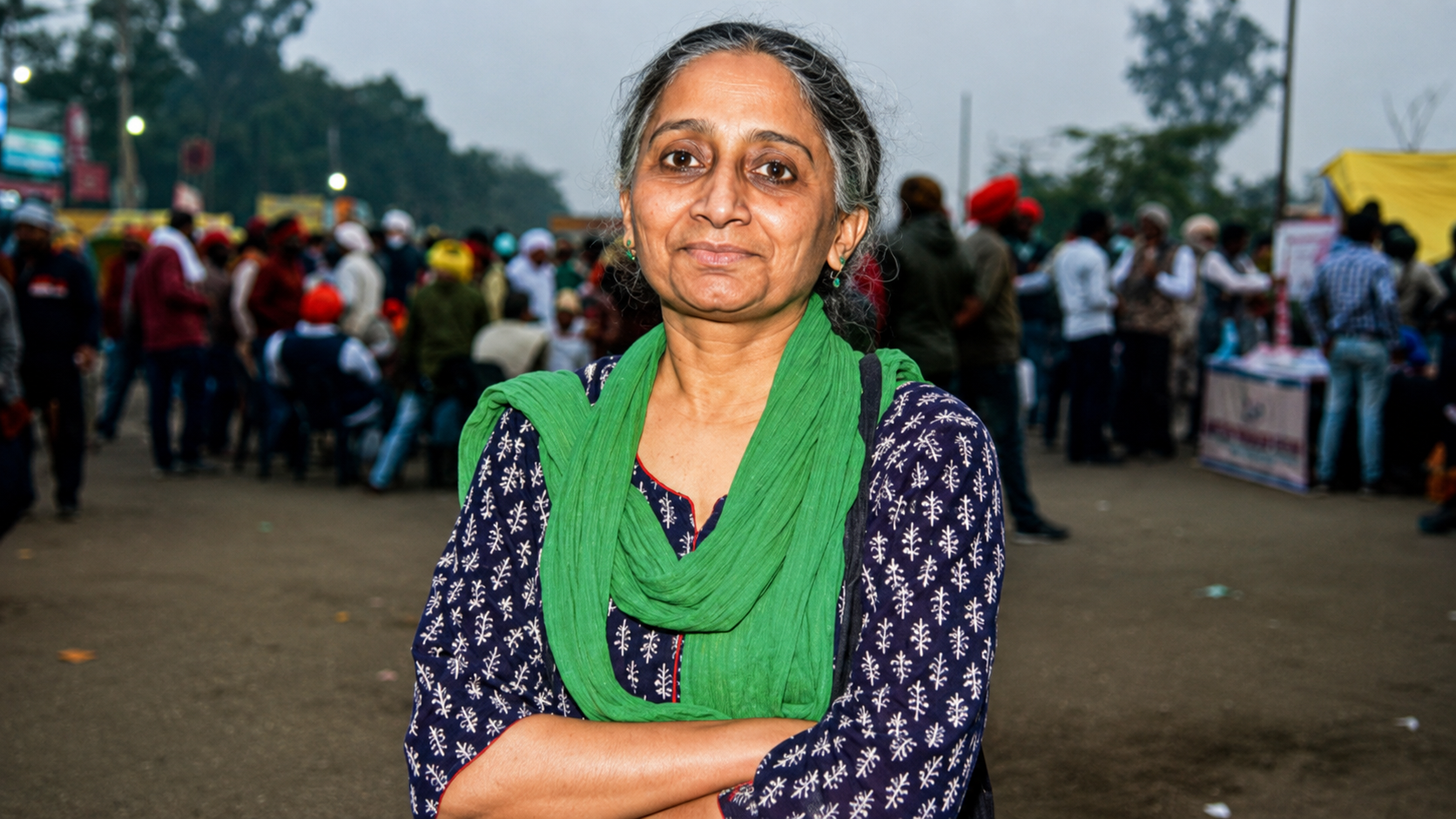
Ananth’s life partner for 24 years, is a social activist working to promote sustainable farm livelihoods and secure farmers’ rights in India. She has been part of several government committees and task Forces even as she has been a prominent face of several people’s movements, and street-level democratic and non-violent protests. It is from Ananth that she learnt new perspectives around the act of giving.
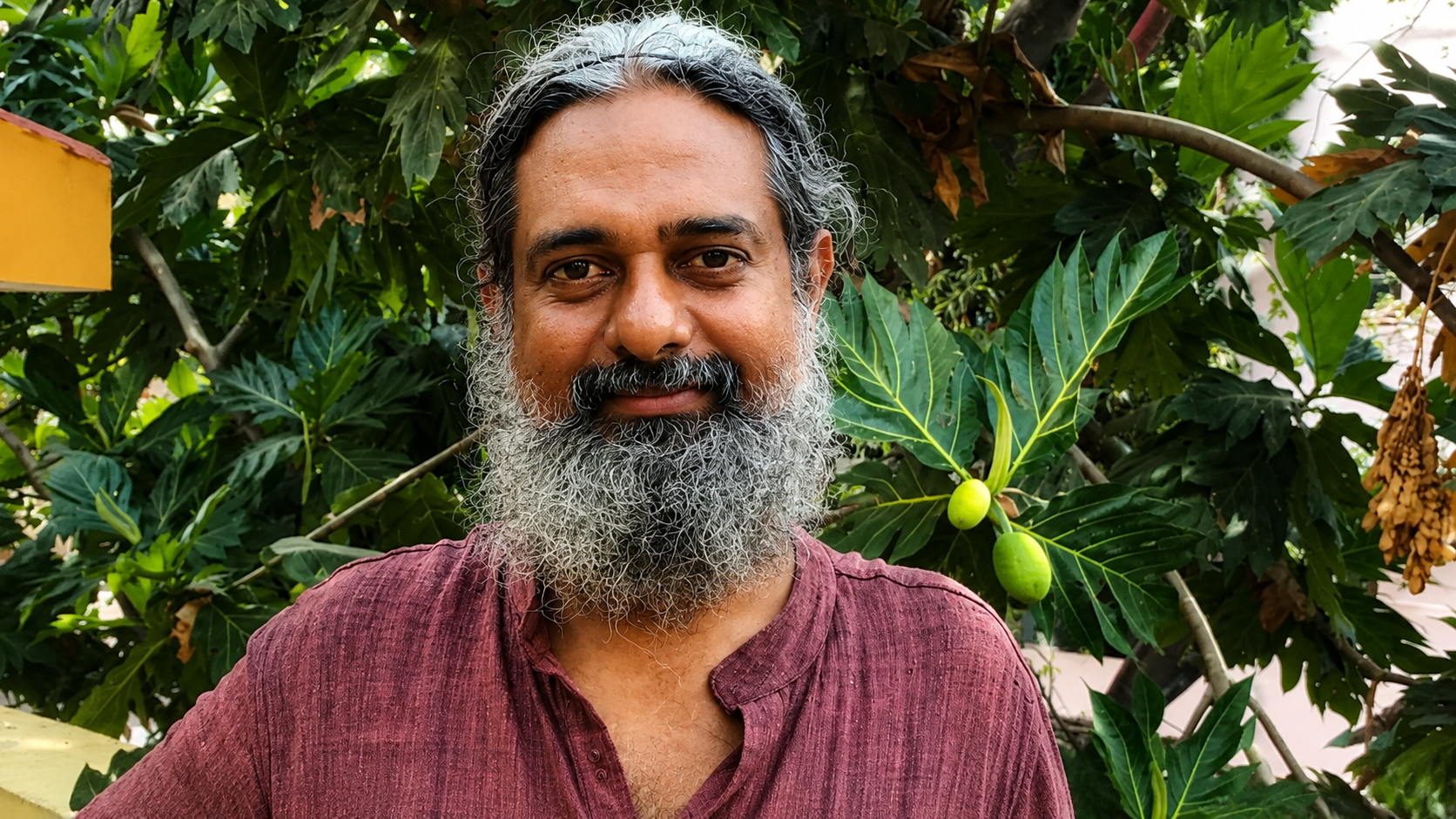
Is a serial and successful social entrepreneur who has translated JC Kumarappa’s ideas around circular, local and distributed economies into reality through a few not-for-profit enterprises in the food and fibre domains. Trained as a telecom engineer, he decided to quit his career in Europe in his late 30s and came back to India to start enterprises to support sustainable rural livelihoods.
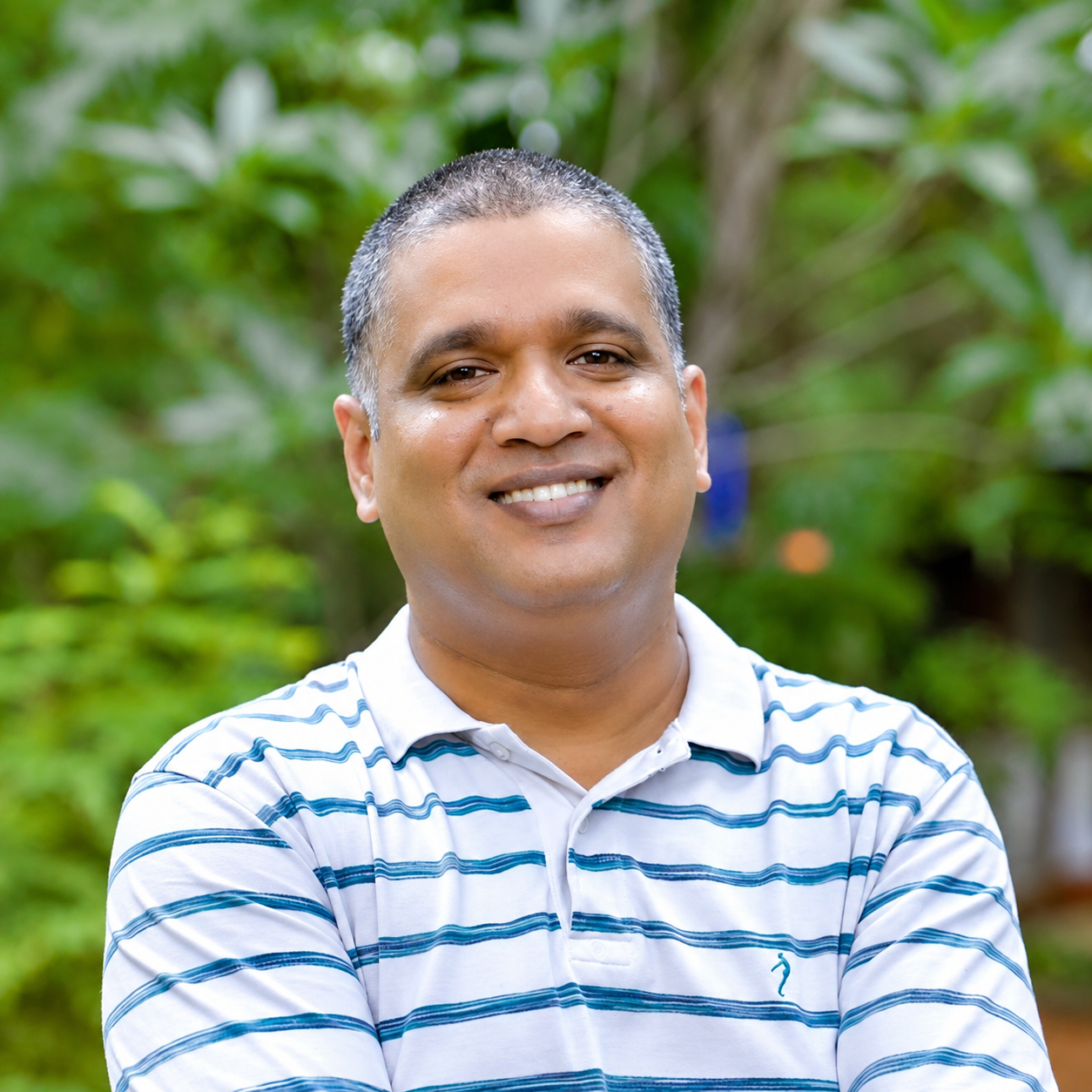
Has known Ananth since 2016, initially at Azim Premji Philanthropic Initiatives and later at Socratus Foundation. He is an industrial engineer from Nagpur University and a management graduate from IIM Lucknow. As a founding member at Socratus Foundation, Arvind continues to play a variety of roles that serve the organisation and impact it seeks to enable. For the last couple of years he has experimented with ideas around local civic action in cities. He considers Ananth’s guidance fundamental to how he navigates through life.
People contributing to GAP Foundation
Sports Administration
Educator/ Conservationist
Ecosystem Builder
Researcher
Researcher
Campaigner & organisation builder
Social worker/entrepreneur
Educator
Development sector worker
Social development professional
Entrepreneur
Program Management
Partner organisations are central to this approach. They bring knowledge built through long relationships with communities. They help identify people who may benefit, remain connected without intrusive monitoring and support access to government entitlements or other longer-term opportunities where relevant.
The fund will grow at a pace that allows these relationships to remain personal and responsible. Its purpose is not to build a large institution around giving. It is to ensure that more people can receive timely support without losing their dignity in the process.
About Ananth
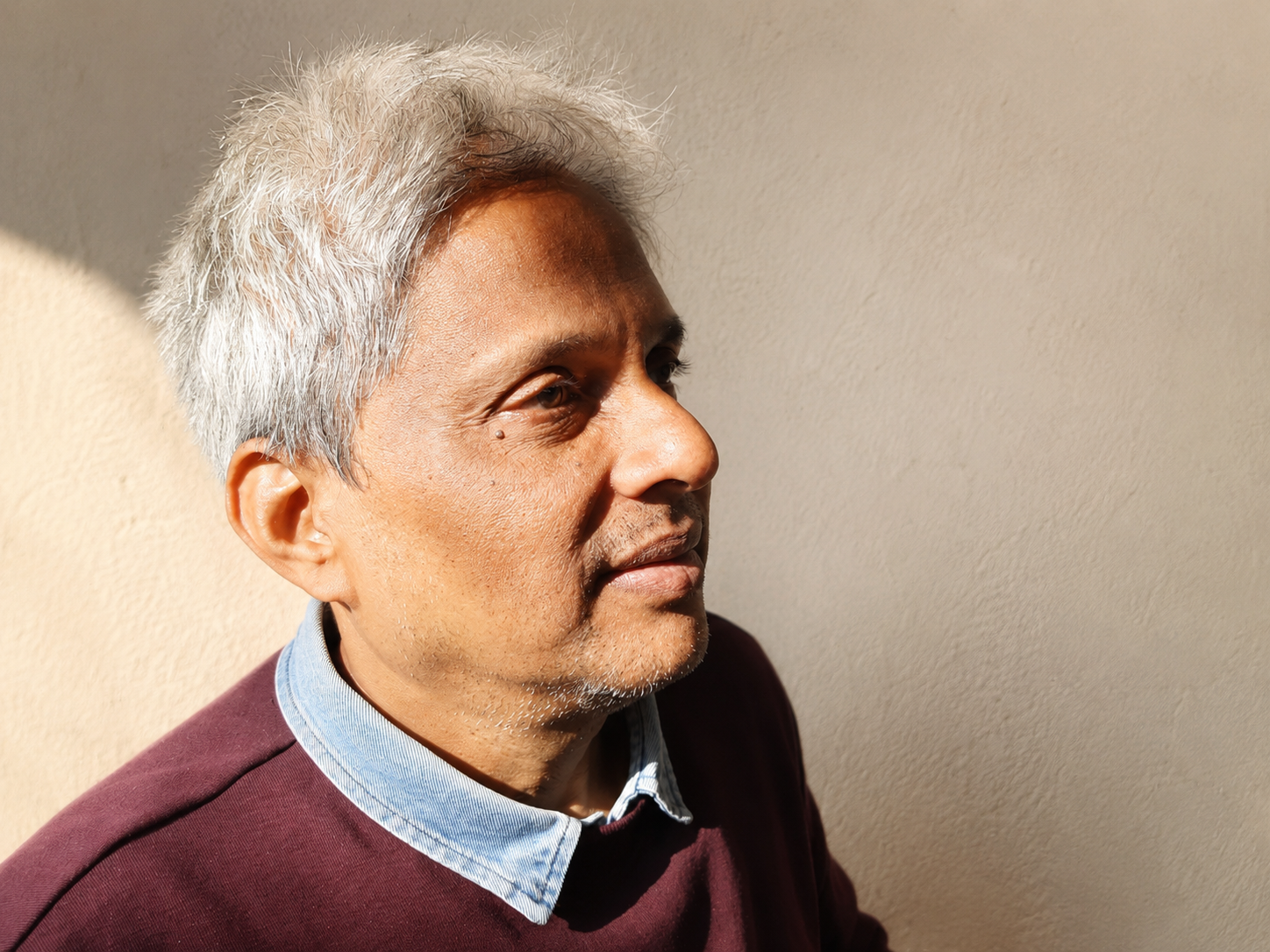
Most people knew him simply as Ananth.
He was an IIT Madras graduate who used his first month’s salary to help build an NGO hatchery for sea turtles on Chennai’s beach. He taught at The School run by the Krishnamurti Foundation for eleven years. He helped establish Greenpeace India, later led programmes at Greenpeace International from Amsterdam, built Amnesty International’s presence in India and served as the founding CEO of Azim Premji Philanthropic Initiatives. In his later years he gave his time and energy to Rootbridge, WeLive Foundation and Socratus Foundation.
People remember his baritone voice and the way he could turn a greeting into a moment of warmth and gentle accountability. He could disagree fiercely while listening with genuine attention. He trusted people early and gave them room to reach their own conclusions. He was a gifted facilitator who could hold a difficult room together without drawing attention to himself.
He sang beautifully, read across genres and loved good food. He walked and cycled hundreds of kilometres over the years. He enjoyed sport and remained curious about people, ideas and life itself. He approached cancer on his own terms and lived far beyond the prognosis he had been given.
Ananth’s world stretched from the individual to the political and the spiritual. While the development sector often measures impact through numbers he understood it through relationships across age, class and geography.
He was especially generous with his own resources. He gave freely when he encountered a person who needed support and called those who received it his “Dharmakartas”: the people who gave him an opportunity to practise dharma.
Ananth believed deeply in the transformative potential of universal basic income. His own giving reflected that belief. A small and dependable amount of money could help a person make choices, withstand a crisis and reclaim some control over their life.
The GAP Fund is an attempt to keep that spirit alive through the collective support of many more Dharmakartas.